How to Choose a Safe Injector Near Detroit: Credentials, Red Flags and Questions to Ask
Quick Answer
A safe injector is a licensed medical provider with aesthetic training, who uses FDA approved products from the manufacturer or an authorized distributor, assesses your full face before treating, and has a plan for complications. At Kyle Farr Aesthetics + Wellness in Downtown Plymouth, every injection is performed by Kyle Farr, DNP, NP-C.
Why does your choice of injector matter?
Neurotoxin and filler are medical treatments, not beauty services. They involve prescription products, facial anatomy and the chance of side effects. In 2024, the FDA and CDC warned the public about counterfeit Botox linked to harmful reactions, many tied to unlicensed sellers and settings outside a medical office. Kits sold online for injecting yourself carry the same risk. The safest product in the wrong hands, or a fake product in any hands, is not a safe treatment.
That is why two choices matter most: a licensed medical injector, and only FDA approved brands such as Botox, Dysport, Xeomin, Jeuveau and Daxxify, purchased directly from the manufacturer or an authorized distributor. Together, they are your best protection against counterfeit products and avoidable complications.
Results matter too. An injector who understands facial anatomy knows where each muscle sits, how deep to place product and how much to use. That is the difference between a result that looks rested and natural and one that looks frozen, uneven or overfilled.
What credentials should an injector have?
Look for an active medical license, such as a physician, nurse practitioner, physician assistant or registered nurse working under appropriate medical oversight. In Michigan, you can look up a license through the state licensing agency, LARA. Ask how long they have been injecting, what aesthetic training they have completed and who serves as medical director.
Kyle Farr, DNP, NP-C is a board certified family nurse practitioner who specializes in aesthetic and wellness medicine. He also trains other aesthetic providers nationally and internationally. Our medical director is Andrew D. Adair, DO, a family physician with nearly two decades of clinical experience. You can read more about our providers on our team page.
Questions to ask before your appointment
Bring these questions to your consultation. A qualified injector will be glad to answer every one.
- What is your license and who is your medical director? A good answer is a clear title and a named supervising physician.
- Where do your products come from? A good answer is directly from the manufacturer or an authorized distributor.
- Can I see the product before you inject? A good answer is yes, with the sealed box or vial and lot number.
- Will you assess my whole face first? A good answer is yes, including how your face moves and your treatment history.
- What happens if something goes wrong? A good answer is a written aftercare plan and a direct way to reach the office.
- Can filler be reversed if needed? A good answer is that hyaluronic acid filler can be dissolved by a trained provider.
What are the red flags?
- Unsafe setting: Treatment offered in a home, salon or event space with no medical oversight.
- Questionable product: Products with foreign labels, no box, or a price far below what local medical offices charge.
- No consultation: No consultation or health history before injecting.
- Sales pressure: Pressure to add more syringes or units than you asked about.
- No aftercare plan: No answer when you ask who to call after hours.
What should happen at a safe consultation?
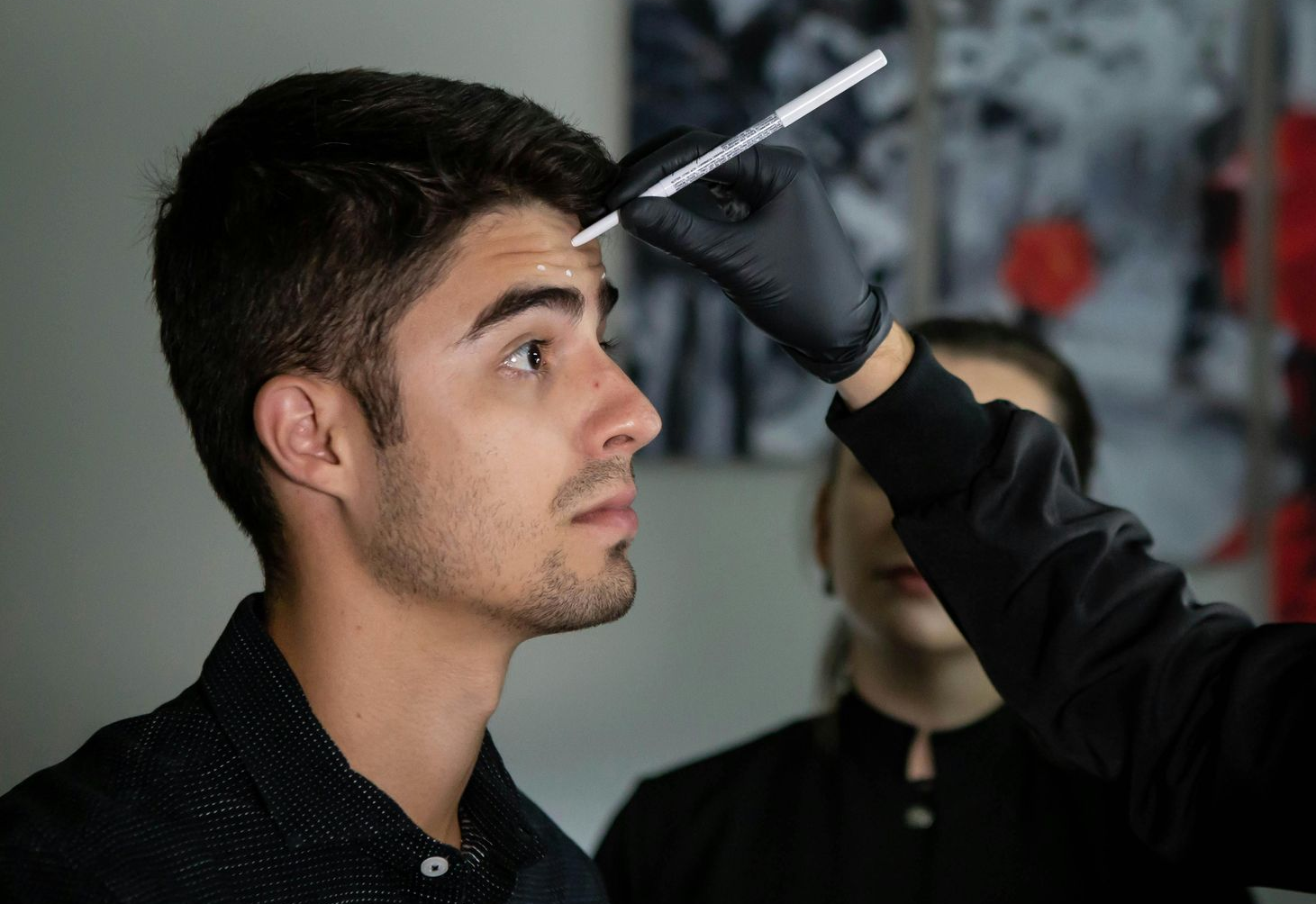
A good consultation comes before any needle. Your provider should review your health history, medications, allergies and past treatments, and ask what bothers you when you look in the mirror. They should look at your face at rest and in motion, explain what they recommend and why, and talk through realistic results, side effects and cost before you agree to anything.
You should never feel rushed. If you want time to think, a trustworthy office will tell you to take it. At Kyle Farr Aesthetics + Wellness, a consultation is the first step for every new patient, whether you are interested in neurotoxin or dermal filler.
How can I tell if my product is real?
Counterfeit neurotoxin can look convincing, so the source matters more than the label. Real products are purchased by licensed medical offices directly from the manufacturer or an authorized distributor. Before treatment, it is fair to ask to see the sealed box or vial. Look for English labeling, a lot number and an expiration date. If an offer seems too cheap, or the product arrives in a plain bag or from a back room, walk away.
What should aftercare and follow up look like?
Safe care does not end when you leave the chair. Before you go home, you should receive clear aftercare instructions, such as how long to stay upright, when you can exercise and what is normal versus what needs a call. You should also know how to reach the office if you have a question.
For neurotoxin, a check in at about two weeks lets your provider see the full result and make small adjustments. For filler, your provider should explain what swelling and bruising to expect and which warning signs need attention right away.
Is neurotoxin dangerous?
Cosmetic neurotoxin from a legitimate source, given at an appropriate dose by a trained provider, has a long safety record. Common side effects include mild swelling, redness or bruising at injection points. Problems are far more likely with counterfeit products or untrained injectors. Your provider should explain risks before treatment.
Why a bargain can cost more
A price far below local medical offices usually means something is missing: a licensed provider, a real product, the right dose or a plan for follow up. Underdosed neurotoxin fades early, and poorly placed filler may need to be dissolved and redone. Choosing a qualified injector the first time protects your health and usually saves money over time.
Where can I find a certified injector near Detroit?
Kyle Farr Aesthetics + Wellness is a nurse practitioner led med spa at 807 Penniman Ave in Downtown Plymouth. Patients visit us from Northville, Canton, Novi, Wayne County and across the greater Detroit area for neurotoxin, filler and facial balancing performed by Kyle Farr, DNP, NP-C.
Frequently Asked Questions
Who can legally give Botox in Michigan?
Licensed medical professionals, such as physicians, nurse practitioners, physician assistants and registered nurses working under appropriate medical oversight. You can verify a Michigan license through LARA.
How do I know my Botox is real?
Ask to see the sealed box or vial before treatment. Real products come from the manufacturer or an authorized distributor and carry a lot number and English labeling.
Is it safe to buy neurotoxin online and inject it myself?
No. Products sold online may be counterfeit or contaminated, and injecting without training risks serious harm. Neurotoxin should only be given by a licensed provider.
Who performs injections at Kyle Farr Aesthetics + Wellness?
Kyle Farr, DNP, NP-C, a board certified family nurse practitioner who also trains other aesthetic providers.
Can a nurse practitioner give Botox and filler?
Yes. Nurse practitioners are licensed medical providers, and many have advanced aesthetic training. Ask about their experience, training and medical oversight.
Can filler be dissolved if I do not like it?
Hyaluronic acid filler can be dissolved by a trained provider. This is one more reason to choose an injector with medical training and access to the right products.
Start with a consultation in Downtown Plymouth. Book an appointment at kylefarraesthetics.com/book-now.